Merrill’s Adrianne Flynn to Retire at End of 2021, CNS’ Karen Denny to Lead College Career Center

Philip Merrill College of Journalism | University of Maryland


September 28, 2021


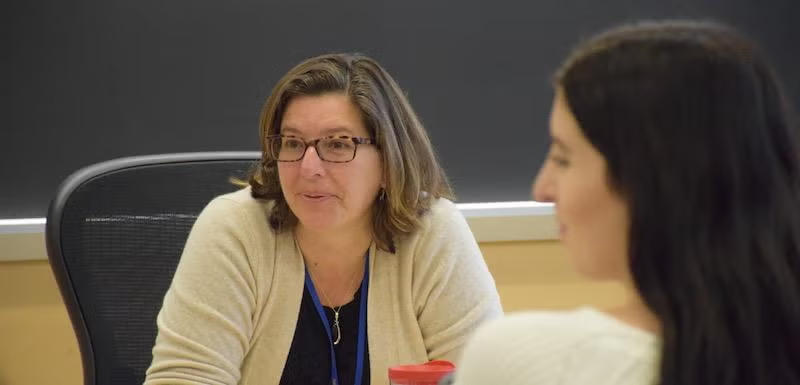
COLLEGE PARK — Senior Lecturer Adrianne Flynn, who has run the University of Maryland Philip Merrill College of Journalism’s internship and career development program for almost a decade, will retire on Jan. 1, 2022. 

A person with glasses and a cream-colored cardigan sits at a desk during a discussion, facing another person.

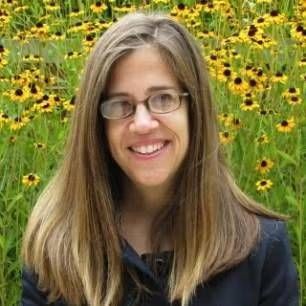
Senior Lecturer Karen Denny, who has been the director of the Capital News Service Annapolis bureau since 2014, will replace Flynn as Merrill’s director of internships and career development. Denny will continue to lead the CNS Annapolis bureau through the end of the Fall 2021 semester.


Merrill College has begun its search for a new director for the CNS Annapolis bureau, and plans to fill the position in time for the Spring 2022 semester.


“While I am sad that we will no longer have her on our faculty, I am pleased for Adrianne in this very personal choice,” Merrill Dean Lucy Dalglish said. “Many capstone teachers will tell you that Adrianne is a phenomenal editor, who never hesitated to ‘backstop’ their editing of student work. I will miss her skillful teaching, directness, wise counsel and sense of humor.”


Flynn came to Merrill College in 1999 as the CNS Annapolis bureau director after a career as a reporter, where her last stop was as Washington correspondent for The Arizona Republic. She moved to the CNS Washington, D.C., bureau in 2006 and to the career-development position in 2012. 


She led Merrill’s first efforts to cover the national political conventions, chaired its master’s and scholarship committees, served on numerous search committees, managed the college’s contest entries, served as one of Merrill’s first instructors for the Young Scholars program and much more. 


Flynn was one of the first senior lecturers appointed under the new professional-track promotion program.


“When I joined Merrill College, I thought this would be a short stop and then back to daily journalism in a few years, but I enjoyed teaching so much, the time just rushed by,” Flynn said. “It’s been enormously satisfying to see the college stand among the country’s leading journalism schools and to serve with such an elite and caring faculty. It’s very hard to leave, but I’m also looking forward to opening some new doors.”


A smiling person with long light brown hair and glasses, set against a background of yellow wildflowers.

Denny, who has both a master’s degree (2002) and bachelor’s degree (1991) from Merrill College, is a former editor with the McClatchy-Tribune (formerly Knight Ridder/Tribune) News Service, where she founded the wire’s Newsfeatures and International sections, and was a features editor.


She previously worked as the Maryland editor for The Washington Times, and at the suburban Journal Newspapers as an editor and local government reporter. She also served as a professor at Sang Ji University in Won Ju, South Korea, and began teaching at Merrill College as an adjunct professor in 2000. 


“I will always treasure the Annapolis CNS bureau — the best part has been getting to know a handful of students every semester and helping them be better journalists,” Denny said. “Following Adrianne’s superlative leadership is a big job with a big reward: Working with every student in the college to help them get where they want to go.”


In addition to managing the Annapolis bureau, during the 2018-19 school year, Denny served as the de facto “chief of staff” for the Annapolis Capital Gazette when the staff shared Merrill’s Annapolis newsroom for almost a year following the tragic 2018 murders of five staffers in the Capital Gazette’s newsroom.


“Karen is a natural choice to replace Adrianne,” Dalglish said. “During the year she assisted the Capital Gazette, Karen demonstrated not only that she is an outstanding teacher and mentor, but she is also a compassionate advocate and problem solver.”

For more information, contact:
Josh Land
joshland@umd.edu
301-405-1321

Recent Posts

September 10, 2026
FOR IMMEDIATE RELEASE: September 9, 2026 WYPR Announces The Engagement, a New Weekday Program Hosted by D. Watkins A new WYPR program will bring news, conversation and community together beginning this October BALTIMORE — Baltimore Public Media, home of WYPR and WTMD, today announced The Engagement, a new locally produced, news-driven public affairs program hosted by New York Times bestselling author and award-winning journalist D. Watkins. The program premieres Monday, October 19, and will air Monday through Thursday at 11 a.m. on WYPR 88.1 FM. From the news of the day to politics, community, arts and culture, The Engagement will explore the stories and conversations shaping Baltimore, Maryland and the broader region. Built around the idea that engagement means listening as much as talking, the program will bring different voices and perspectives into the conversation, ask tough questions and challenge assumptions, with an eye toward what comes next. Conversations will extend beyond the broadcast, creating opportunities for ongoing engagement with the people and communities WYPR serves.
September 4, 2026
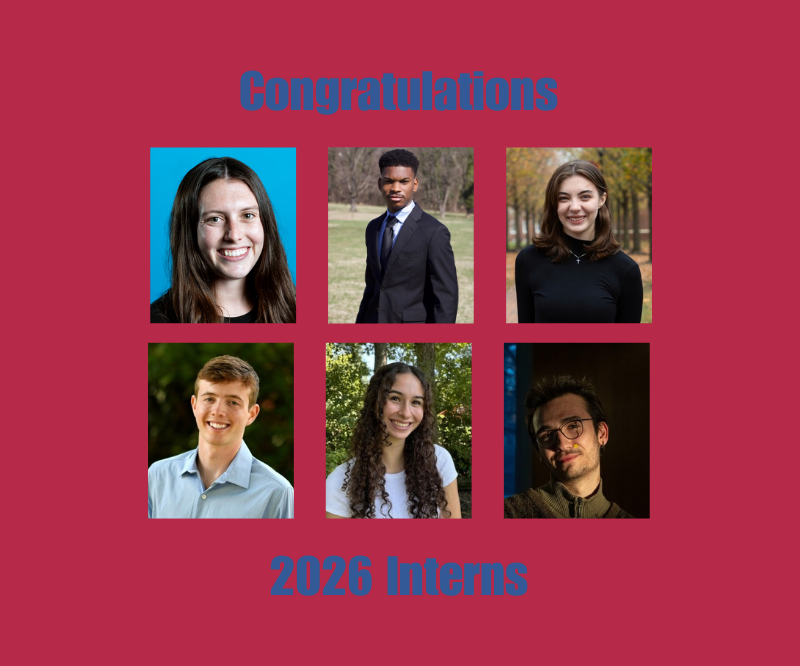
This summer, six journalism students have been working in newsrooms across Maryland and Delaware. The Reese Cleghorn Internship program hires outstanding student journalists to intern in MDDC member newsrooms each summer. Again this year, MDDC is administering Delaware Community Foundation’s Internship program. Summer internships were made possible through funding from the Delaplaine Foundation, the Goldseker Foundation and The Nutting Family Foundation, Baltimore Fishbowl, Baltimore Brew, and many individual donors to MDDC. These interns were selected from a pool of highly qualified applicants. The intern selection committee, comprised of Andrea McDaniels of The Baltimore Banner, Ann LoLordo, Diana Sugg freelance journalist, Molly Fellin Spence of The Baltimore Sun, Kamau High,, Sam Davis of the Baltimore Sun and Tom Ferraro reviewed more than thirty initial applications, which included a personal essay, published clips and educational and professional references. The committee narrowed the field and conducted a panel interview with each candidate. Each intern was immersed in their host newsroom and treated as a professional working journalist. Students in the program are expected to generate 35-40 published clips and real-world experience during their 8-week paid internship. As part of the program, interns participate in a one-day briefing on how to get the most out of the internship. The interns are (in alphabetical order): Marijke Friedman , University of Maryland (funded by Nutting Family Foundation); Andrew Hall , Morgan State University (funded by the Goldseker); Evelyn Lucado , Washington College (funded by Suzy Dunn); Oliver Mack , University of Maryland, College Park (funded by Delaplaine); Nicole Pilsbury , University of Pittsburgh (funded by MDDC Press Foundation); Theodore Rose , University of Maryland, College Park (funded by MDDC’s fiscal sponsorship of the Baltimore Brew).
By Kristin Wagonblott • July 3, 2026
7/3/26 Group Editor – Jewish Media Division Mid-Atlantic Media Mid-Atlantic Media (MAM), a growing publisher of community and niche media brands, is seeking an experienced Group Editor to lead its portfolio of award-winning Jewish publications.  This leadership role is ideal for an accomplished editor who thrives in a fast-paced newsroom, can manage multiple projects simultaneously, and enjoys mentoring emerging journalists. The successful candidate will serve as both an editorial leader and a public ambassador for our publications, building relationships with Jewish communal leaders and readers throughout the region. This is a high-energy position where a digital-first daily content strategy is combined with the demands of producing high-quality weekly magazines. The candidate will be able to commute to a Columbia, Maryland office. Qualifications Minimum of five years of experience in Jewish community journalism Strong editing skills with the ability to work quickly and accurately in a deadline-driven environment Proven leadership experience managing and motivating editorial teams Familiarity with WordPress, social media platforms, digital photography, and video Ability to balance high-level editorial planning with hands-on reporting, editing, and community engagement Deep knowledge of and connections within the Jewish community required Responsibilities Editor Guide reporters in developing enterprise stories, breaking news coverage, and local exclusives Plan editorial coverage and manage story assignments Monitor community developments, social media, email, and other sources for story ideas and emerging trends Communicate regularly with sources, community leaders, readers, and public officials Oversight of editing and factchecking to ensure adherence to AP Style and company editorial standards Maintain the highest standards of journalistic integrity and quality Team Leader Lead, mentor, and develop a team of reporters and editors Set clear editorial expectations and foster a culture of accountability and excellence Assist with reporting and breaking news coverage when needed Drive strong digital engagement and audience growth across websites, newsletters, and social media platforms Editorial Strategist Represent the publications throughout the communities Help expand audience reach and strengthen brand visibility Collaborate with company leadership on long-term editorial initiatives and growth strategies Work closely with the publisher to identify opportunities for innovation and expansion Compensation Competitive salary and benefits package. To Apply Please submit a cover letter, resume, and relevant work samples to cburke@midatlanticmedia.com . No phone calls, please.
By Kristin Wagonblott • July 3, 2026
Chesapeake Bay Journal Job Announcement Position: Environmental reporter Open date: July 1, 2026 Review start date: July 13, 2026. Open until filled. Description: This is a full-time position with the Chesapeake Bay Journal focused on environmental reporting in the Chesapeake Bay region, mostly in Maryland. The ideal candidate will have 5 to 7 years of journalism experience, including coverage of environmental issues. The successful candidate should demonstrate the ability to grasp complex issues, understand nuances and represent all sides of issues. If selected, you will be part of a small, highly collaborative team that delves into the challenges of providing clean water, clean air and healthy outdoor spaces for humans and wildlife alike. Get ready for deep dives and a variety of field experiences. You might find yourself in the city, on a boat, on a farm, on trails, in laboratories or in suburban neighborhoods. You will interact with a wide range of people, from environmental advocates, businesses and farmers to community members, scientists and government officials. The topics we tackle include but are not limited to water pollution, climate change, environmental justice, the restoration of the Chesapeake Bay and its rivers, land use, sustainable agriculture, air pollution, forest health, plant life, wildlife and fisheries. This position will involve written journalism, as well as video and audio packages to engage our growing audience. Location: All Bay Journal staff members work remotely in priority areas of Maryland, Pennsylvania and Virginia. This position will be in the Baltimore/Annapolis/Frederick area of Maryland. About the Chesapeake Bay Journal: The Bay Journal is a long-standing and well-respected newsroom, now in its 36th year. It is the only media outlet dedicated to environmental issues in the Chesapeake watershed and is one of the oldest nonprofit news organizations in the nation. As well as publishing to our website, we produce a printed, 36-page monthly newspaper and a weekly email newsletter, along with photography, films, videos and podcasts. We reach an average of approximately 200,000 people each month. The Bay Journal has received many awards from regional press associations and is a member of the Institute for Nonprofit News. Minimum Qualifications: Experience in journalism resulting in published work Experience writing about environmental issues Excellent skills in writing, reporting and research, with attention to detail, accuracy and context Commitment to reporting conscientiously on complicated topics Respect for a diversity of sources, thorough fact checking and careful wording Communication and organizational skills that support productivity in an independent work environment Ability to collaborate and meet deadlines Willingness to travel as needed for reporting assignments and staff meetings Willingness to report stories in varied settings, such as towns and cities, farms, forests, industrial sites, schools, research labs, and on boats Other Desired Qualifications: Five to seven years of experience as a journalist, preferably with environmental topics Knowledge of environmental issues in the Chesapeake Bay region Skills in producing video, audio packages, podcasts, photos or social media for a newsroom Salary & Benefits: This is a full-time, salaried position. The salary is commensurate with experience and negotiable based on the total compensation package. Standard benefits include employer-subsidized health insurance and retirement savings plans. The position has four weeks of paid annual leave in addition to federal holidays. How to Apply:  Send a cover letter, your resume, three writing samples (as attachments or via links), up to three multimedia links if applicable, and two references to admin@bayjournal.com . Please use the word “Application” in the subject line. Review of applications begins July 13. Open until filled.
May 27, 2026
By Rebecca Snyder Executive Director, MDDC Press Association  Governor Wes Moore’s veto of SB 459 is a disappointing and misguided decision that overlooks both the capabilities of Maryland’s local news organizations and the urgent need to strengthen the state’s local information infrastructure. The legislation was straightforward and practical: require Maryland state agencies to prioritize local news organizations (print, digital, radio and broadcast) for a portion of their advertising spending. It was revenue-neutral. It did not create a new tax, a new program, or a new bureaucracy. It simply ensured that more Maryland advertising dollars stayed in Maryland communities. Lawmakers across the political spectrum understood that value. SB 459 passed unanimously in the Senate and with overwhelming bipartisan support in the House. Legislators from both parties recognized a simple truth: local news matters. In vetoing the bill, Governor Moore expressed concerns about costs and suggested that Maryland’s local news organizations could not effectively deliver advertising to the audiences state agencies need to reach. That rationale fundamentally misunderstands today’s local media landscape. Maryland’s local news organizations include digital-first outlets, public media organizations, commercial broadcasters, radio stations, community publications, and multimedia news platforms serving audiences across every region of the state. Many operate full service advertising agencies that can place any type of advertising needed, including national platforms. 0020Collectively, they provide sophisticated advertising and communications services that rival — and often outperform — national platforms when it comes to reaching Maryland audiences. Our members regularly execute highly targeted advertising campaigns using digital audience segmentation, programmatic advertising, email marketing, video, social amplification, sponsorships, direct mail, broadcast, radio, and event-based outreach. They work with businesses, nonprofits, healthcare organizations, universities, tourism agencies, and government entities every day to connect messages with precisely the audiences they intend to reach. In fact, local media outlets often have a far deeper understanding of Maryland communities than national advertising platforms ever could. That matters because this debate is about more than advertising dollars. It is about whether Maryland will invest in the civic infrastructure that keeps communities informed and connected. Local journalism remains one of the few institutions dedicated to covering school boards, county governments, public safety, elections, housing, economic development, and the daily issues that shape residents’ lives. When local news organizations disappear, communities lose accountability, civic participation declines, and misinformation fills the vacuum. SB 459 recognized that state government advertising can serve two purposes at once: effectively communicate with Maryland residents and strengthen the trusted local institutions that help those residents stay informed. The bill also acknowledged another important reality: local media outlets are often best positioned to reach underserved communities. Community publications, local radio stations, ethnic media outlets, and regional digital publishers have built trust with audiences that are frequently overlooked by large national advertising buys. Supporting local media is not only smart economic policy; it is smart communications policy. And economically, the argument is equally compelling. Every year, Maryland spends taxpayer dollars on advertising campaigns intended to reach Maryland residents. SB 459 simply sought to ensure that more of those dollars circulate through Maryland businesses, support Maryland jobs, and strengthen Maryland-based organizations rather than flowing almost entirely to out-of-state tech platforms and national advertising networks. That is not protectionism. It is common sense. Other jurisdictions across the country have already adopted similar approaches because they recognize that government advertising dollars can help sustain local media ecosystems without expanding government spending. Maryland had the opportunity to join them with a balanced, bipartisan solution. Instead, the Governor chose to veto it. We respect Governor Moore’s commitment to innovation and economic growth. But on this issue, the administration appears to have underestimated both the sophistication and the reach of Maryland’s local media organizations. This conversation should not end with a veto. Marylanders benefit when they have access to strong local journalism. Communities benefit when trusted local outlets remain financially sustainable. And taxpayers benefit when state communications are delivered through organizations that understand Maryland audiences and communities. Support for local news should not be partisan. The General Assembly understood that. Maryland residents understand that. We hope the administration will reconsider its view of what local media can accomplish and recognize that investing in Maryland journalism is also an investment in Maryland communities.
Show More